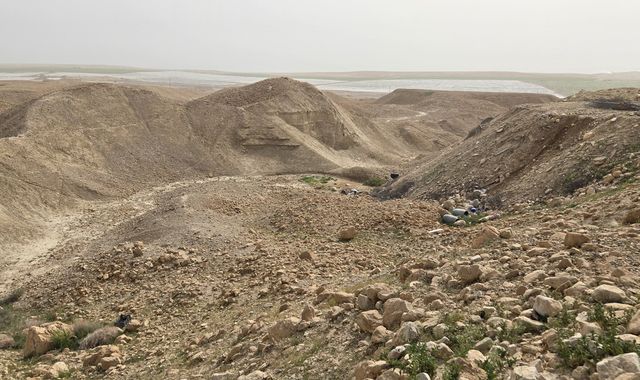
UK retailer Superdrug has delisted Ahava skincare products from its marketplace after investigators obtained images showing chemical vats and Dead Sea mud at an Israeli settlement in the West Bank. The move signals growing compliance risk for distributors and retailers sourcing from brands with contested supply chains in occupied territories, a key concern for medical aesthetics buyers monitoring regulatory and reputational exposure.
Background of the delisting
Superdrug, the UK's second-largest beauty and health retailer, removed Ahava from its online marketplace after the American Friends Service Committee (AFSC) shared photos and video taken in February 2026. The images show vats with 2025 and 2026 production or receipt dates, mounds of earth believed to be Dead Sea mud, and a locked facility at Mitzpe Shalem, an Israeli settlement in the West Bank. Superdrug confirmed it blocked the brand and implemented system actions to prevent future listings from any seller.
Ahava's position on production location
Ahava denies owning the Mitzpe Shalem site or using it as a production facility. CEO Ron Michael stated that by 2022 all production activities were consolidated within internationally recognised Israeli territory. The company says a kibbutz owns the site, and all muds, salts and botanicals are collected from undisputed Israeli territory. However, an AFSC covert recording quotes an Ahava staff member claiming the Mitzpe Shalem centre processes raw mud and salt before sending them to Ein Gedi for production.
Regulatory and channel signals
UK government policy opposes Israeli settlements, viewing them as a breach of international law and a threat to a two-state solution. The Foreign Affairs Committee has recommended banning imports from illegal settlements, and the Business and Trade Committee has pressed the government on addressing settlement trade. These developments create potential trade restrictions that could affect distributors and clinics sourcing from brands linked to disputed territories.
What buyers should watch
Importers and clinic buyers should monitor UK regulatory actions on settlement-linked goods, as similar measures could emerge in other markets. The UN database now includes Ahava and its parent company Fosun International for activities in occupied Palestinian territory. For medical aesthetics supply chains, verifying ingredient sourcing and production locations is becoming a due diligence priority to avoid reputational and legal risks.
Source: Read the original report | Published: June 05, 2026