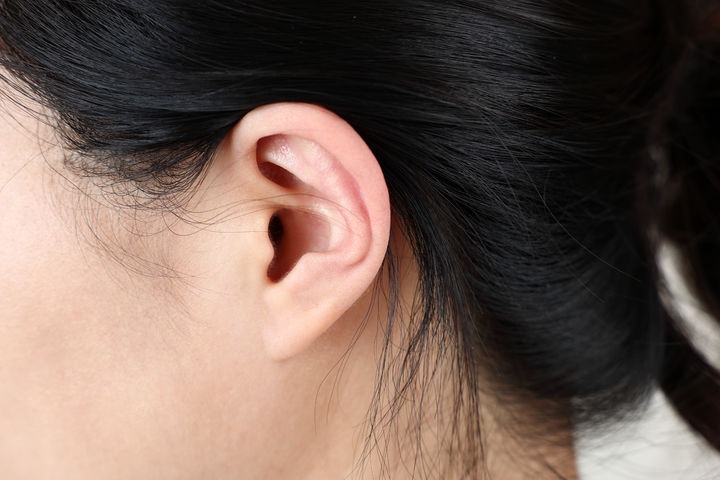
A new aesthetic trend is emerging in the U.S. as patients using GLP-1 weight-loss drugs like Ozempic and Mounjaro seek earlobe tightening procedures after rapid fat loss causes sagging and volume loss in the earlobes. This development signals a growing demand for targeted injectable and surgical solutions among post-weight-loss patients, creating new opportunities for aesthetic device and consumable suppliers.
Market signal
According to a New York Post report on June 9, 2026, the widespread use of GLP-1 medications has led to accelerated weight loss, which in turn causes a loss of volume in the earlobes. Patients report that their earlobes become thin, wrinkled, and droopy, making earrings difficult to wear or appear unattractive. One patient who lost about 20 kg on Ozempic said she was shocked to find her earlobes hanging heavily when trying to put on earrings.
Treatment options and costs
Corrective procedures range from hyaluronic acid filler injections, which restore volume immediately and last longer due to minimal movement in the ear area, to surgical earlobe reduction under local anesthesia or fat grafting from the abdomen or thighs. Costs vary from several hundred to several thousand dollars. For example, one patient paid $850 for earlobe filler after losing 18 kg on Mounjaro, while another spent $9,500 on combined thigh fat transfer and earlobe reduction.
What buyers should watch
This trend highlights a niche but growing segment in the post-weight-loss aesthetics market. Distributors and clinics should consider stocking hyaluronic acid fillers suitable for small-volume injection, as well as micro-cannulas and precision syringes for earlobe procedures. Fat transfer kits and surgical instruments for earlobe reduction may also see increased demand. Suppliers of aesthetic consumables and devices should monitor this emerging application for potential product positioning.
Regulatory and channel signals
As GLP-1 drug use continues to rise globally, the demand for complementary aesthetic treatments is likely to expand beyond the U.S. to other markets. Clinics and importers should be aware of local regulations regarding filler use in the ear area and ensure that products meet safety standards for delicate facial zones. This trend also underscores the importance of training and education for practitioners on earlobe-specific techniques.
Source: Read the original report | Published: June 10, 2026