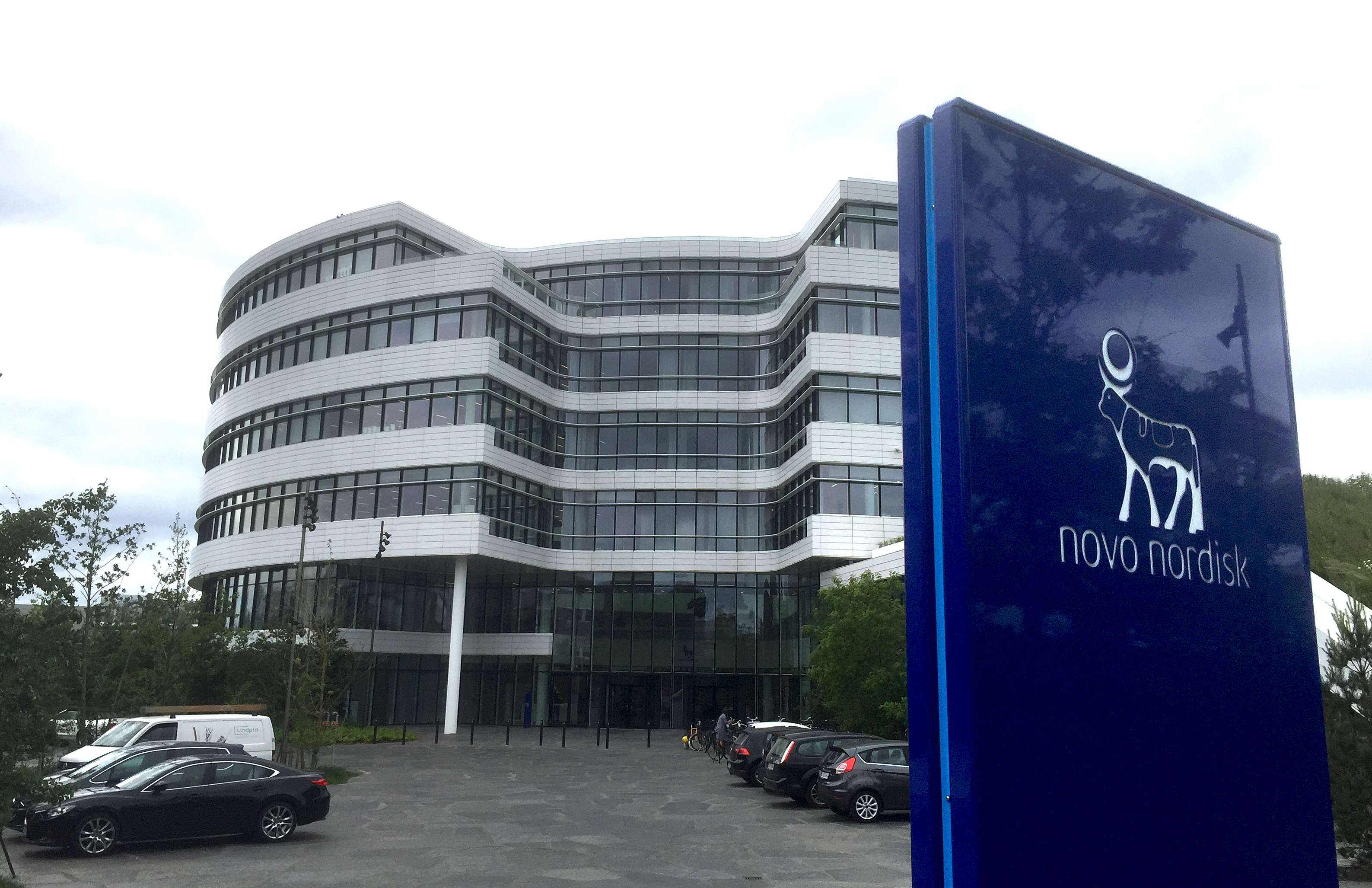
From July 1, 2026, Medicare Part D beneficiaries will pay a flat $50 monthly copay for obesity drugs under the GLP-1 Bridge program, stripping price competition between Novo Nordisk and Eli Lilly. For overseas distributors and clinic buyers, this policy shift signals a massive volume-driven market where pill formulations and patient adherence will determine supply-chain winners. The Bridge, extended through 2027, could reshape global sourcing strategies for GLP-1 raw materials, finished doses, and cold-chain logistics.
Market signal
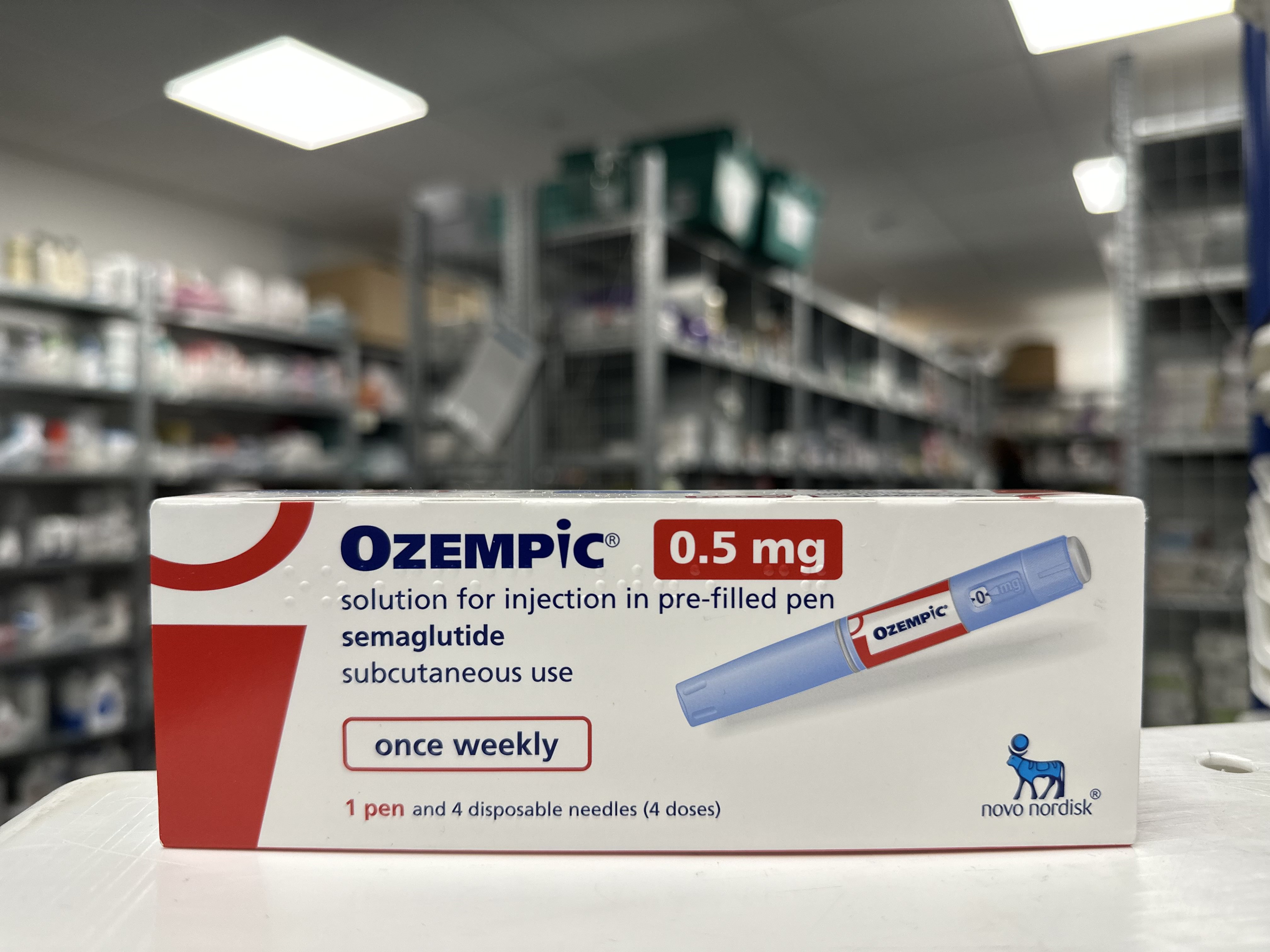
Novo Nordisk’s once-daily Wegovy pill (oral semaglutide) has topped 3 million US prescriptions since its January 5 launch, the strongest volume debut for any GLP-1 drug. Eli Lilly’s Foundayo pill (orforglipron), cleared by the FDA in April, offers a convenience edge: no food or water restrictions and any-time dosing. Until July 1, both pills competed on cash prices ($149–$349/month). The $50 flat copay removes price as a differentiator, forcing competition onto habit, tolerability, and physician preference.
Regulatory and channel signals
The Bridge program, born from White House pricing deals with both companies, was originally set to run through December 2026 but has been extended to end-2027. The FDA also moved in May to crack down on compounded GLP-1 knockoffs, tightening the legitimate supply channel. For overseas buyers, this means regulatory alignment around branded oral GLP-1s could accelerate, potentially affecting parallel imports and compounding pharmacy sourcing.
Sourcing context
Pills are cheaper to manufacture, easier to ship, and free from cold-chain requirements compared to injectables, making mass coverage fiscally viable. JP Morgan projects the global incretin market reaching $200 billion by 2030, with 25 million US patients on GLP-1 therapy. For OEMs and raw material suppliers, the shift to oral formulations may reduce demand for cold-chain packaging but increase need for high-volume oral solid dose production capacity.
What buyers should watch
Uptake remains unmeasured: how many Medicare beneficiaries enroll and stay on therapy will not be clear until autumn. Novo’s 3 million prescriptions are a volume metric, not a revenue disclosure. Neither company has disclosed margins under the flat $50 copay. Distributors should monitor enrollment data and any supply constraints as the Bridge opens, particularly for Lilly’s Foundayo, which has no dosing restrictions and could capture patients who struggle with Novo’s daily ritual requirements.
Source: Read the original report | Published: June 10, 2026