
A growing number of men are paying up to $10,000 for dermal filler injections to increase penile girth, driven by confidence and intimacy improvements. A study of 432 PhalloFill patients reported 80.1% improved satisfaction during intimacy and 81.2% improved self-confidence. For medical aesthetics supply-chain professionals, this signals expanding demand for dermal fillers beyond facial applications, with implications for device and injectable distributors targeting urology and aesthetic clinics.
Market signal
Dermal fillers, traditionally used for facial wrinkles, are increasingly adopted for penile girth enhancement. Dr. Tyler McClintock of Midtown Urology Associates in Austin reports two to three weekly appointments for this procedure. The trend gained attention after unverified rumors about Winter Olympics ski jumpers using such injections, later debunked. This niche but growing application represents a new revenue stream for filler manufacturers and distributors.
Clinical technique and patient experience
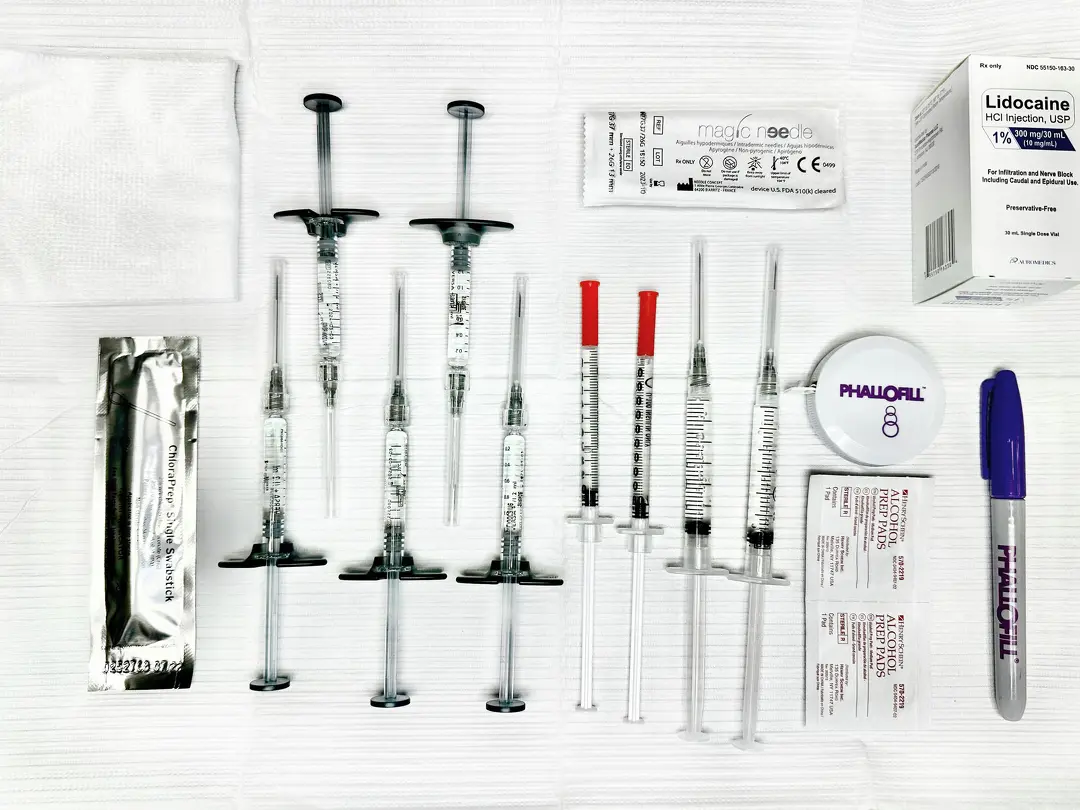
McClintock uses the same hyaluronic acid-based filler as facial treatments, injecting under the skin into connective tissue while avoiding blood vessels, nerves, and the urethra. Local numbing and laughing gas manage pain; patients rate it 2-3 out of 10. The modern technique involves multiple sessions with smaller filler amounts, spaced a month apart, to prevent the "mashed potatoes" appearance and migration seen with older single-session methods. Each round adds about one-quarter inch to width.
Patient demographics and outcomes
Patients range from ages 20 to 70, across all sexual orientations and relationship statuses. Some attend with partners; others seek confidence for dating. The PhalloFill study (Journal of Sexual Medicine, n=432) showed 74.5% of partners reported improved satisfaction, 51.5% increased intimacy frequency, and 55.1% improved relationship quality. Side effects include swelling, bruising, skin irritation, and occasional bleeding; sexual activity is advised 10 days post-treatment.
What buyers should watch
For importers and distributors of dermal fillers, this trend highlights an expanding off-label market. Clinics offering urology or men's health services may increase filler orders. The $10,000 price point (typically four sessions) suggests high per-patient revenue potential. Distributors should monitor regulatory stances on penile filler use and consider partnering with urology practices. The PhalloFill brand data provides a benchmark for product efficacy claims.

Sourcing context
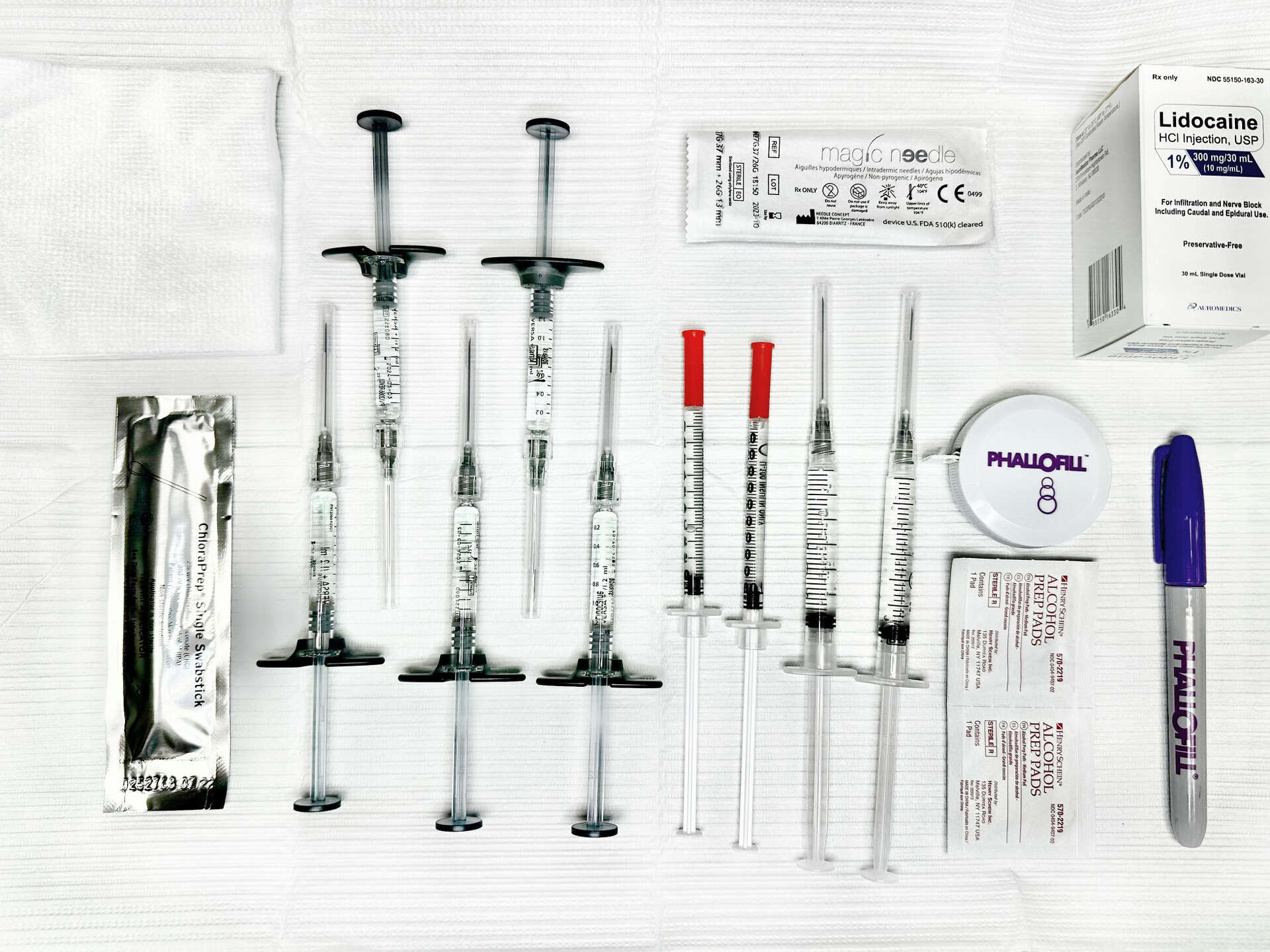
Dermal fillers for penile enhancement use the same raw materials as facial fillers—typically cross-linked hyaluronic acid. Suppliers should ensure product purity and biocompatibility for genital tissue. The procedure's growing acceptance may drive demand for specialized injection devices and training. Clinics entering this space will need reliable supply chains for fillers, local anesthetics, and post-treatment care products.
Source: Read the original report | Published: June 11, 2026