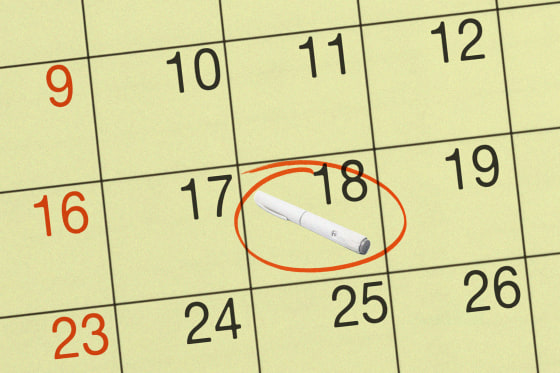
Drugmakers Pfizer and Amgen are developing monthly GLP-1 injections, aiming to reduce the annual injection burden from 52 to 12 shots. This shift could improve patient adherence and expand the market for weight loss therapies, a key consideration for aesthetic clinics and distributors offering injectable weight management solutions.
Market signal
Pfizer's berobenatide and Amgen's MariTide are leading the race toward monthly GLP-1 dosing. Pfizer presented 28-week midstage data at the American Diabetes Association conference, showing up to 12.3% average weight loss. Amgen's MariTide, in late-stage trials, demonstrated up to 20% weight loss at 52 weeks in a midstage study. Both drugs aim to maintain efficacy while reducing injection frequency, a major selling point for patient retention.
Technology and mechanism
To achieve monthly dosing, Pfizer engineered berobenatide to bind longer to albumin, slowing breakdown. Amgen's MariTide uses an antibody to prolong activity and uniquely blocks the GIP receptor, unlike Eli Lilly's tirzepatide which activates it. These innovations could differentiate products in a crowded market, offering clinics and distributors new options for patient-specific protocols.
Clinical and regulatory context
Side effects for both drugs are primarily gastrointestinal, similar to existing GLP-1s. Pfizer's trial started patients on weekly injections for 12 weeks before transitioning to monthly, a strategy that may influence clinic onboarding protocols. Amgen is testing MariTide for even less frequent dosing (every two or three months) and for obesity-related conditions like heart disease and sleep apnea, expanding potential indications.
What buyers should watch
Distributors and clinics should monitor regulatory progress and pricing strategies for monthly GLP-1s. Reduced injection frequency could improve patient compliance, a key factor in repeat business for aesthetic practices. However, experts note that monthly dosing may not suit all patients, and weekly-to-monthly transition protocols will be critical for adoption. Supply chain readiness for new formulations and packaging will also be important as these drugs move toward approval.
Source: Read the original report | Published: June 06, 2026