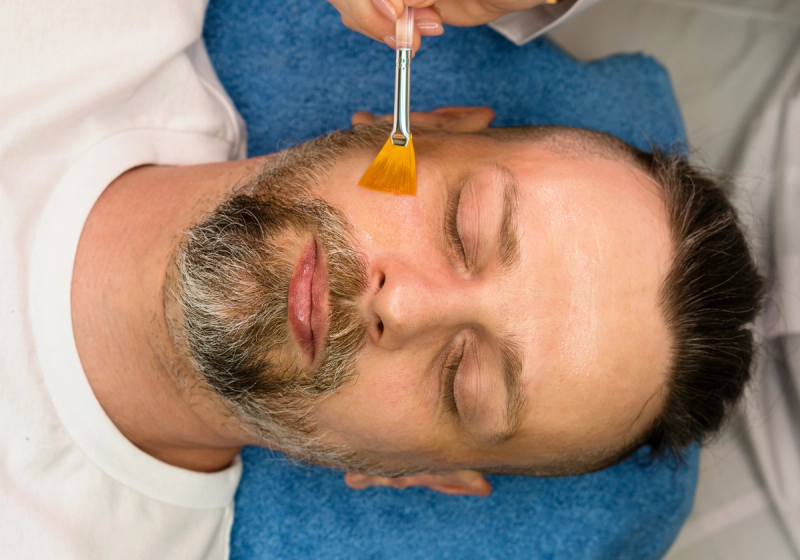
A TikTok video showing an at-home 30% trichloroacetic acid (TCA) peel has amassed over 25 million views, drawing urgent warnings from dermatologists and plastic surgeons. The trend highlights growing risks as medical-grade aesthetic procedures are increasingly normalized on social media, a key signal for medical aesthetics distributors and clinic buyers to reinforce professional supervision and product safety messaging.
Viral video and expert alarm
TikTok creator Aviante' The Artist documented applying four layers of a 30% TCA peel at home, using a meme soundtrack as his skin visibly frosted—a sign of deep penetration. The video quickly drew comments from licensed professionals, including Houston plastic surgeon Cassie Hartline, MD, who wrote, "Plastic surgeon here, local in Houston. Just from your videos I'm VERY worried about long-term scarring." Dr. Hartline urged heavy moisturization and a professional evaluation.
Medical risks of high-concentration TCA peels
TCA peels create a controlled injury to stimulate cell turnover and collagen remodeling. At 30%, the peel enters medium-depth territory, where risks escalate significantly. "A 30 percent TCA peel is a medical-grade treatment, not a DIY skin-care trend," said Janine Hopkins, MD, a dermatologist in Southlake, TX and Monroe, LA. Risks include burns, scarring, infection, and permanent pigment changes, especially without proper medical oversight.
Heightened concerns for melanin-rich skin
Experts emphasized that medium-depth peels require extra caution in patients with darker skin tones. "TCA 30 percent is not safe without supervision in darker skin types, as it can lead to scarring and permanent disfigurement," said Karan Lal, MD, a dermatologist in Scottsdale, AZ. He added that at-home chemical peels are dangerous to tissues like the eyes, with one drop potentially causing irreparable damage.
Regulatory and channel signals
The viral trend underscores a growing gap between consumer perception and clinical reality. "Social media has created a culture where increasingly aggressive treatments are being normalized outside of medical supervision," Dr. Hopkins warned. For distributors and clinic buyers, this signals an opportunity to reinforce professional-grade product labeling, educate clients on contraindications, and promote post-procedure care regimens—such as the heavy moisturizers recommended by Dr. Hartline, including Aquaphor and Avène Cicalfate.
Sourcing context
While the video features a high-concentration medical peel, the article also highlights safer at-home alternatives for consumers, such as PCA SKIN Triple Exfoliation Peel Pads and Lancer Skincare's Caviar Lime Acid Peel. For B2B buyers, this case reinforces the importance of sourcing professional-grade chemical peels with clear usage guidelines and supporting clinic-level training materials to mitigate liability and ensure safe outcomes.
Source: Read the original report | Published: June 05, 2026